The agenda is currently being managed in French. You’ll find hereunder a list of the next meetings that we will organize:

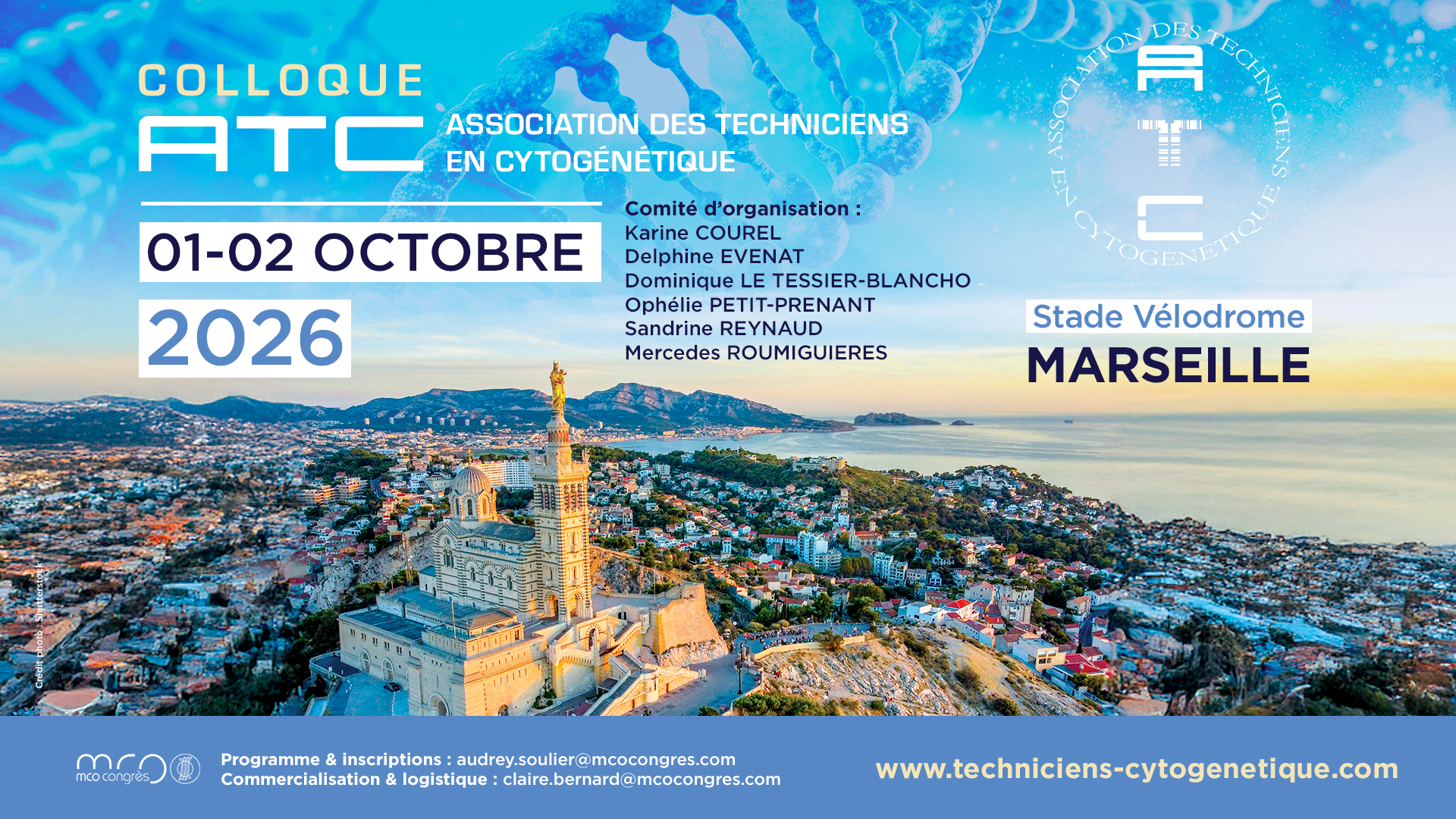
Colloque ATC

1 October 2026 - 2 October 2026
Stade Vélodrome Marseille
Génétique, Biologie, Biochimie, Hématologie
Dia-ATC-2026

Journées Thématiques Intéractives de la SFMU 2026
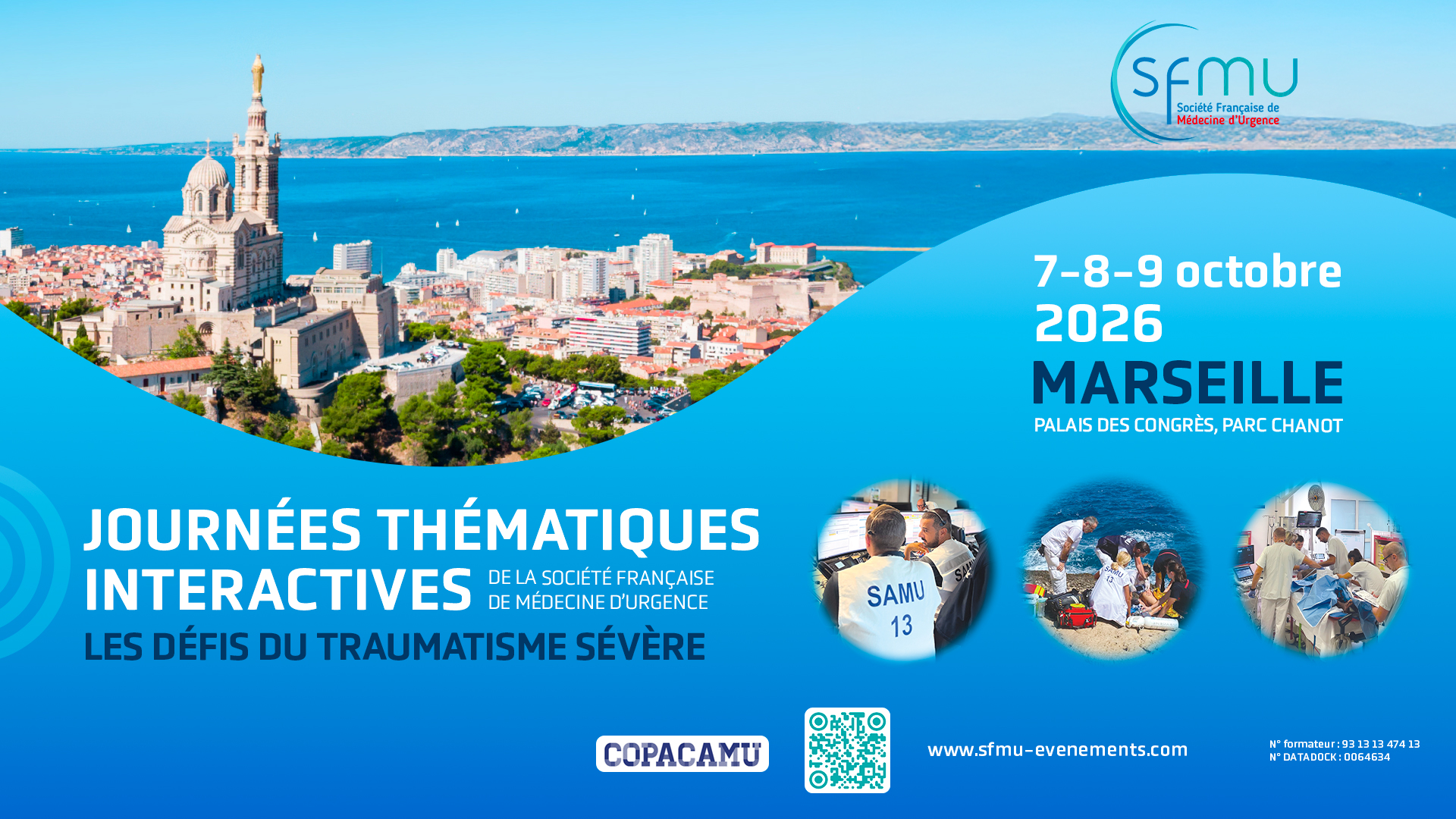
7 October 2026 - 9 October 2026
Palais des congrès, Parc Chanot - Marseille, France
Médecine d'urgence
Dia-JTI-2026

8ème cours sur Sawbones de l’AFCP/FFAS
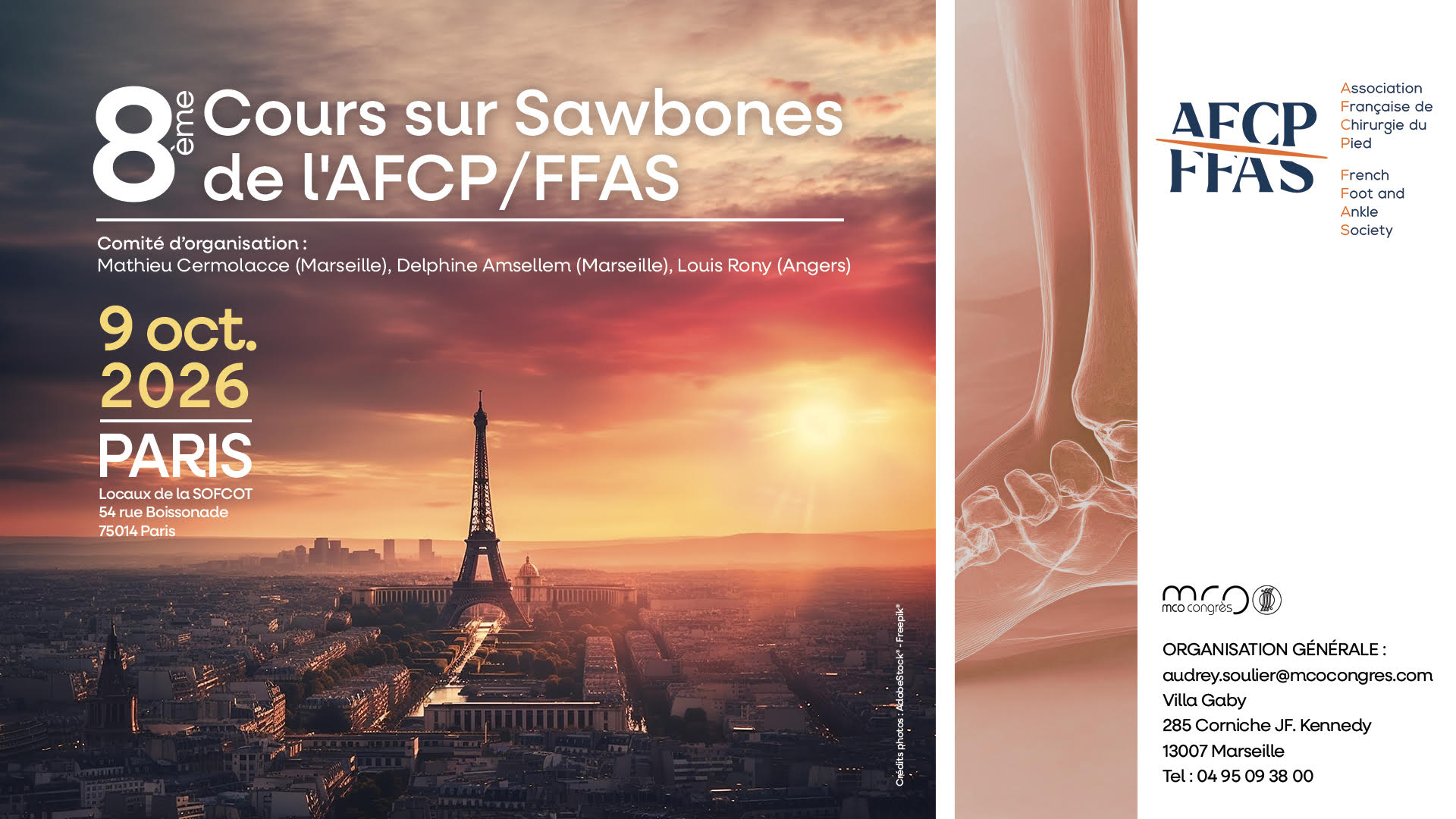
9 October 2026
Locaux de la SOFCOT, 54 rue Boissonade, 75014 Paris
Chirurgie du pied et de la cheville
sawbones afcp

 Webinar Mensuel de la SFMU – #53 : Le patient âgé critique
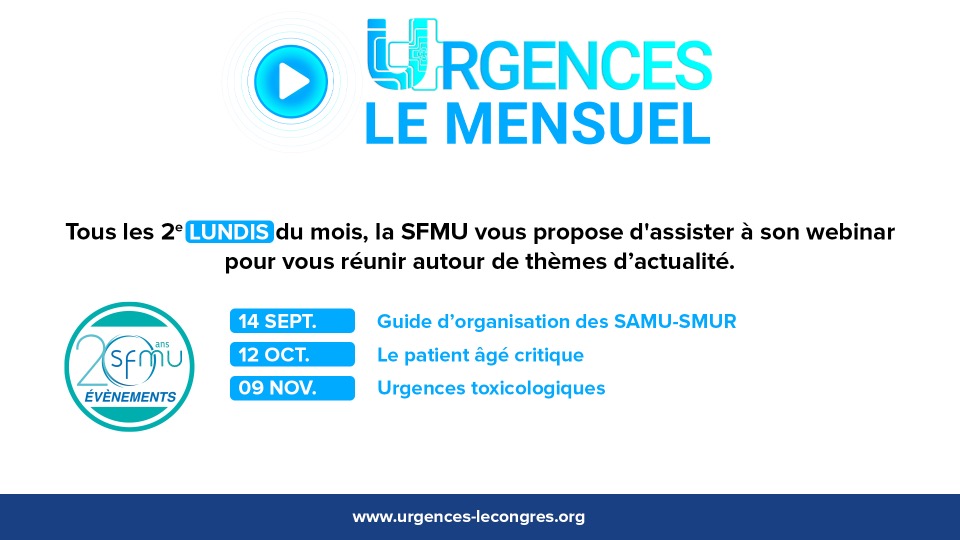
12 October 2026
En ligne
Médecine d'urgence
ULM

NARAKAS 2026 – 24th International Symposium on Brachial Plexus Surgery
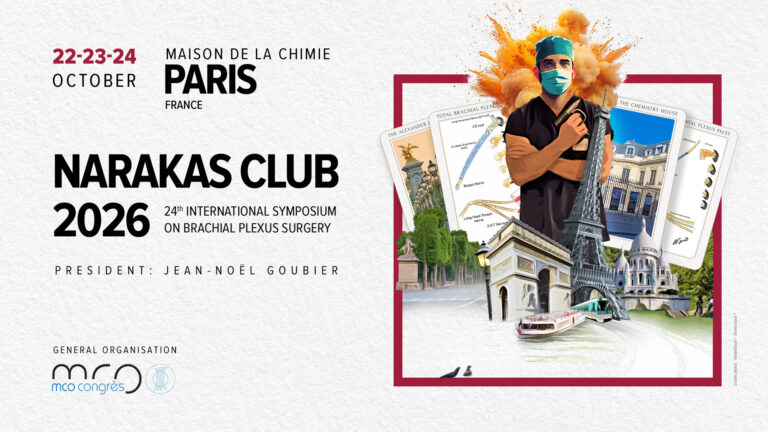
22 October 2026 - 24 October 2026
Maison de la Chimie 28, rue Saint-Dominique 75007 Paris
Neurochirurgie
dia-768×432

33e Rencontres Droit & Construction de la Cour d’Appel d’Aix en Provence

23 October 2026
Grand Théâtre de Provence - Aix en Provence, France
Experts en Justice
DIA-GRECA-2026

XXIII ESRA Eastern European Cadaver Workshop
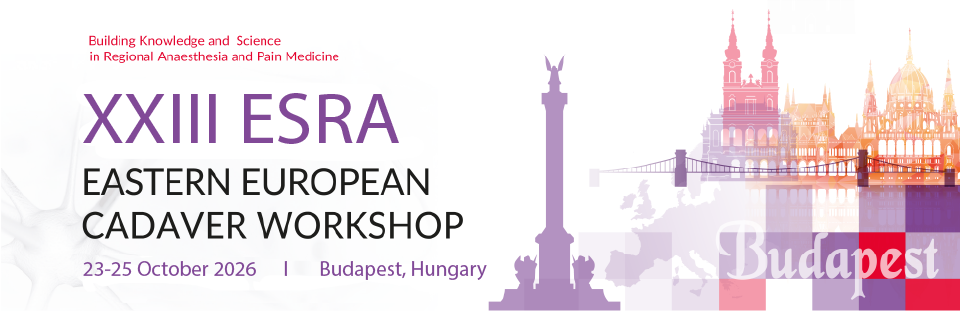
23 October 2026 - 25 October 2026
Budapest, Hongrie
Anesthésie
EE-Cad-workshpr-2026-badge-format

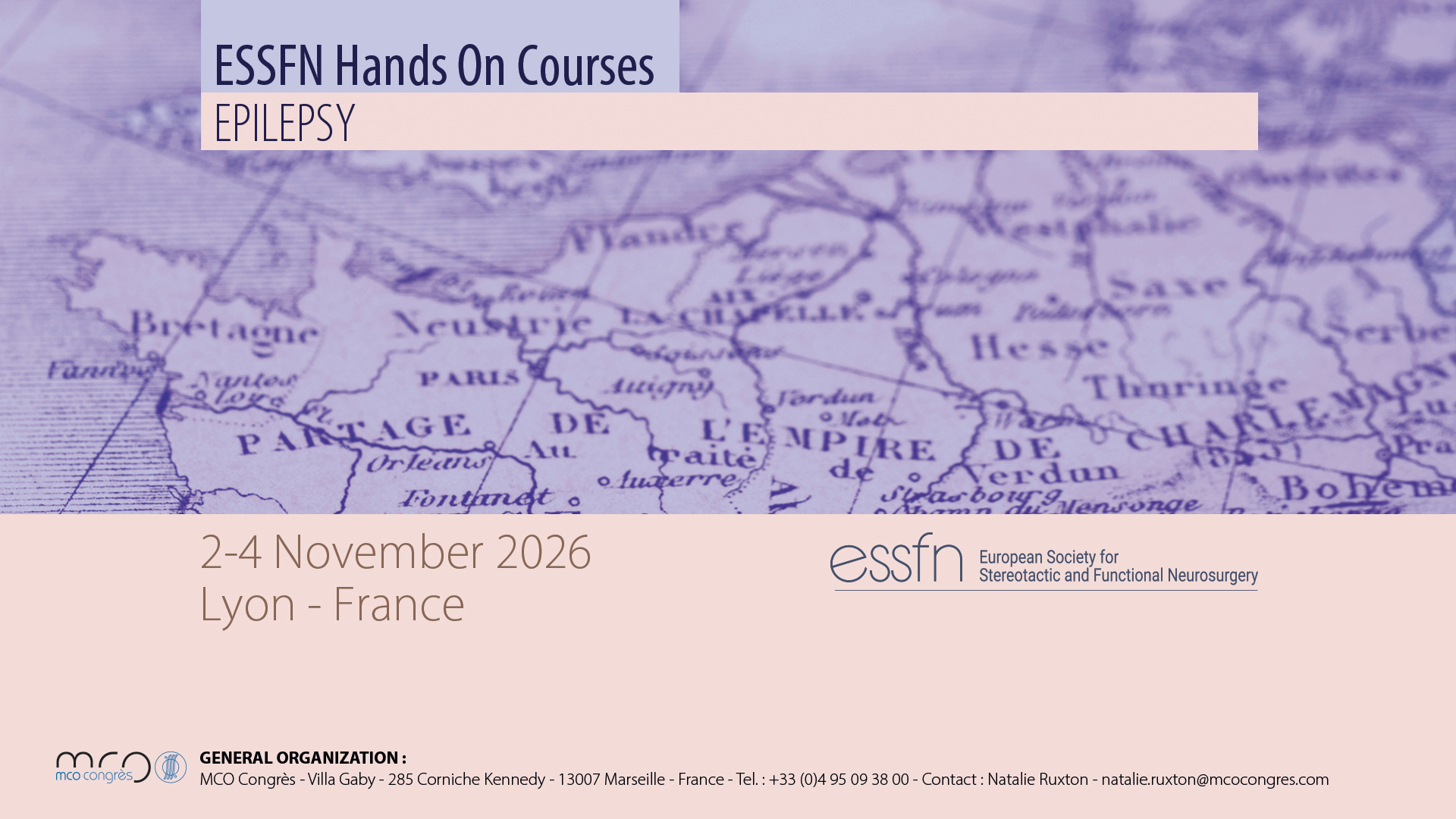
ESSFN Hands On Courses – Epilepsy

2 November 2026 - 4 November 2026
Laboratory of Anatomy
Faculté de médecine Lyon Est — Lyon, France
Neurochirurgie
DIA-ESSFN-Lyon-2026

Webinar Mensuel de la SFMU – #54 : Urgences toxicologiques

9 November 2026
En ligne
Médecine d'urgence
ULM

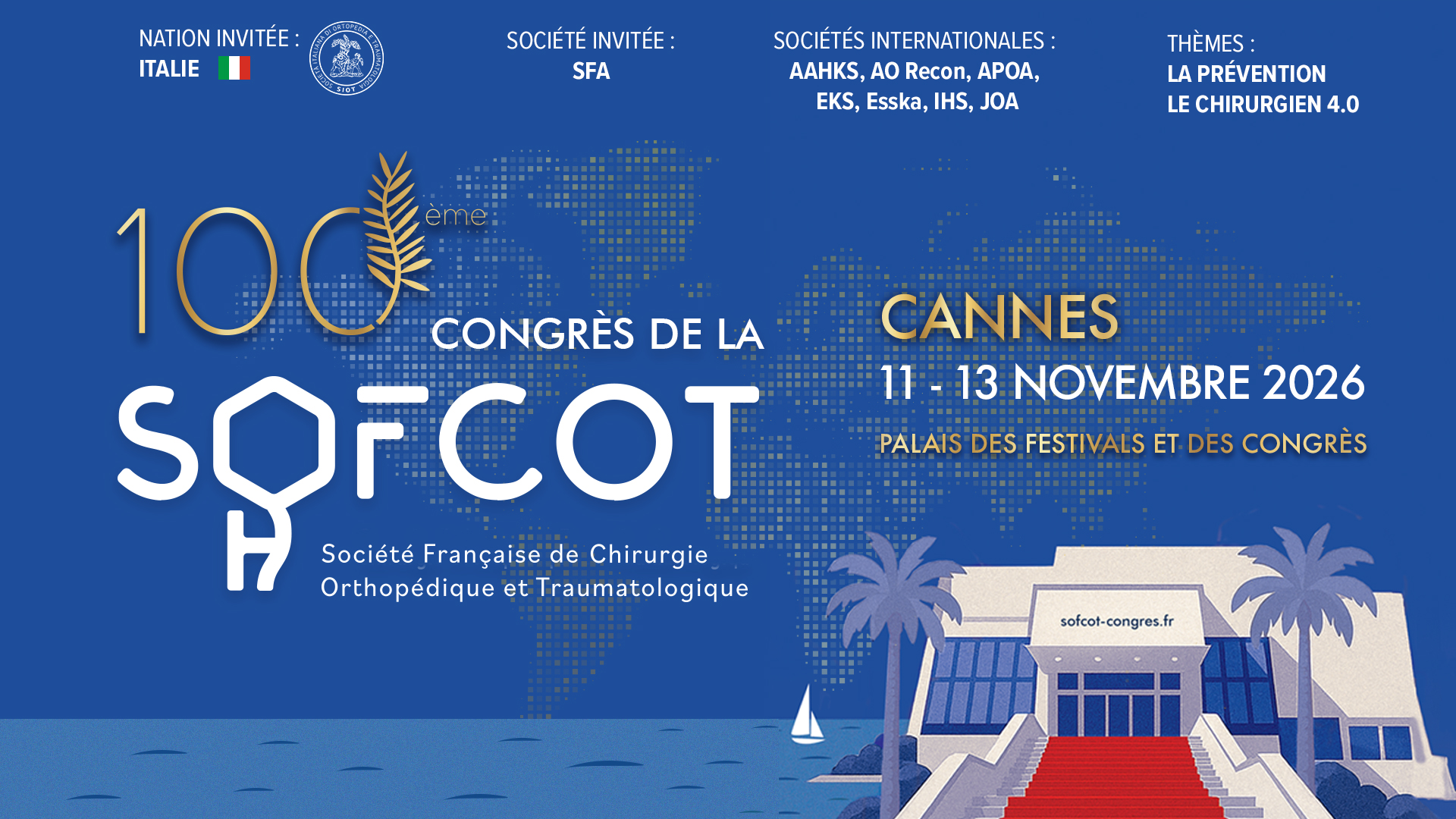
100ème congrès de la SOFCOT

11 November 2026 - 13 November 2026
Palais des Festivals de Cannes, France
Chirurgie Orthopédique, Traumatologie du sport, Arthroscopie
Diapositive : Slide -Horizontale-SOFCOT-2026-FR

If you have any question about one of these events or if you find an error or a missing information, feel free to contact us.

ABOUT THE TRAININGS ORGANIZED BY MCO CONGRès

Trainings intended for
for healthcare professionals

Prerequisites and audiences: these courses are intended for qualified healthcare personnel or those in training.
Access to a training course is authorized to any person whose registration has been validated.

Methods used:

  • Alternating theoretical contributions and practical exercises
  • Provision of the necessary educational resources

Evaluation of acquired knowledge:

  • For each training course, participants are evaluated via a pre-test and a post-test.

Trainings intended for
for non-healthcare professionals

Prerequisites and audiences: each training course is intended for professionals specialized in the theme related to the training.
Access to the training is authorized to any person whose registration has been validated.

Methods used:

  • Alternating theoretical contributions and practical exercises
  • Provision of the necessary educational resources

Evaluation of acquired knowledge:

  • For each training course, participants are evaluated via a pre-test and a post-test.