The agenda is currently being managed in French. You’ll find hereunder a list of the next meetings that we will organize:

Séminaire de Cas Cliniques 2026 — Groupe Chirurgical – SFD

13 November 2026
Maison de l'Amérique Latine - Paris, France
bannercasclinique

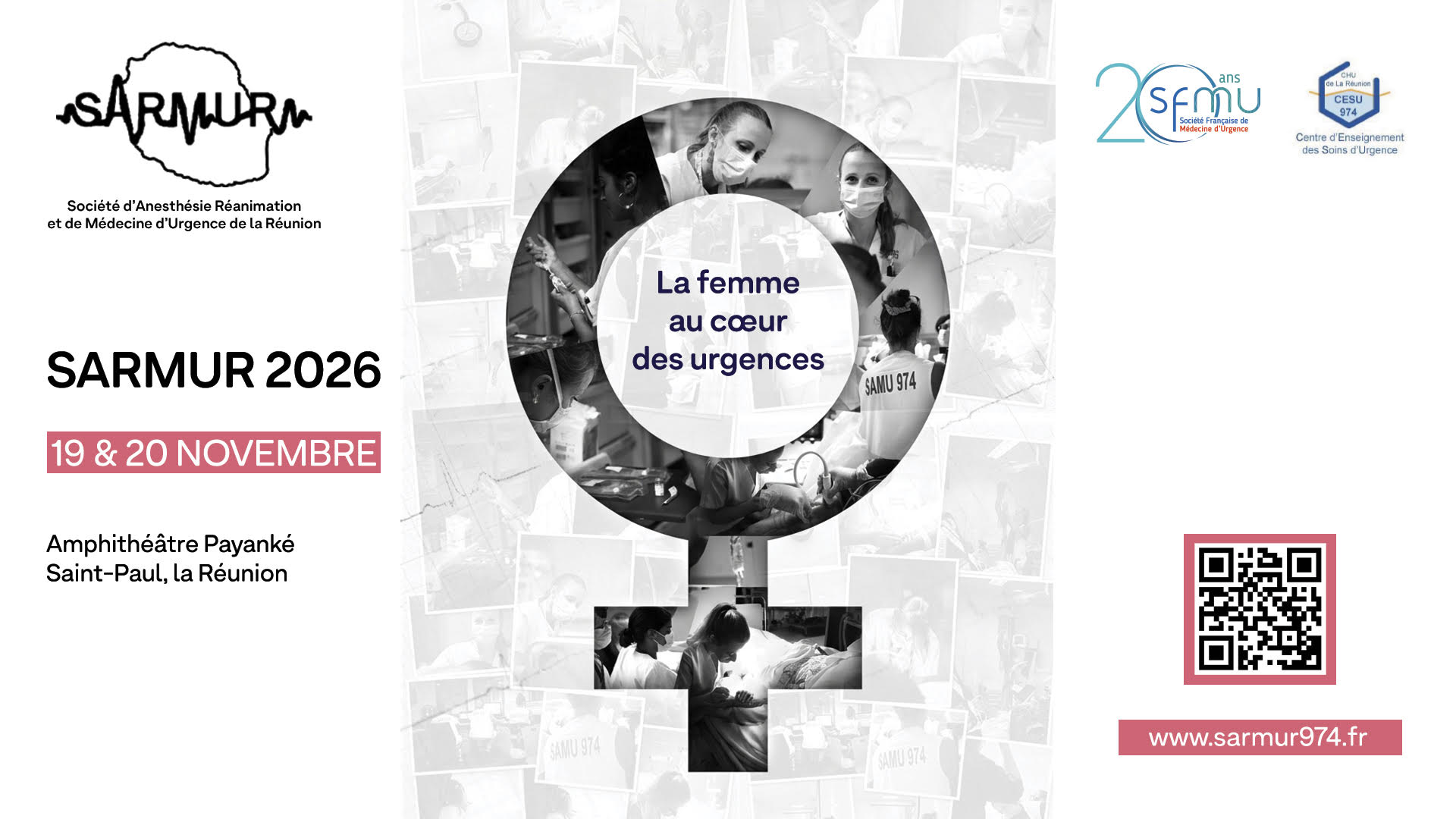
SARMUR 2026

19 November 2026 - 20 November 2026
Saint-Paul, La Réunion
Médecine d'urgence
SARMUR

F.IR.E 26 – Future of Interventional Radiology Expert Panel

19 November 2026 - 20 November 2026
Villa Gaby, Marseille, France
Dia-FIRE-2026

CNCEJ 2026

19 November 2026 - 20 November 2026
Experts en Justice
cncej2026

RACS 2026 – Masterclass Rencontres de l’Arrêt Cardiaque de la SFMU
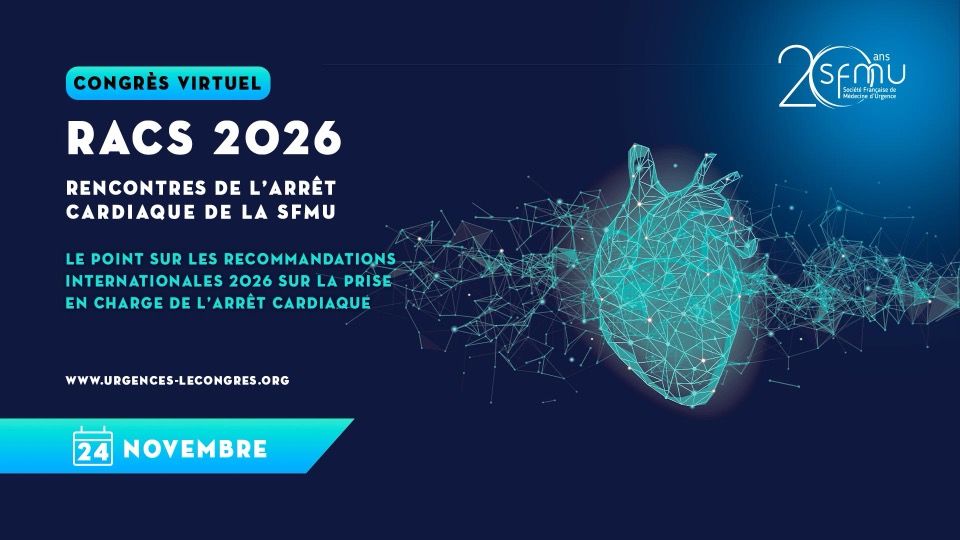
24 November 2026
En ligne
Médecine d'urgence
RACS

Congrès d’hiver de la Société Francophone d’Arthroscopie – Paris 2026

10 December 2026 - 12 December 2026
CNIT, la Défense, Paris
Chirurgie Orthopédique, Traumatologie du sport, Arthroscopie
Diapo-GdEcran_SFA-2026-FR (1)

EFAS Specimen Lab Course – Hindfoot specimen lab Course – Augsburg 2026
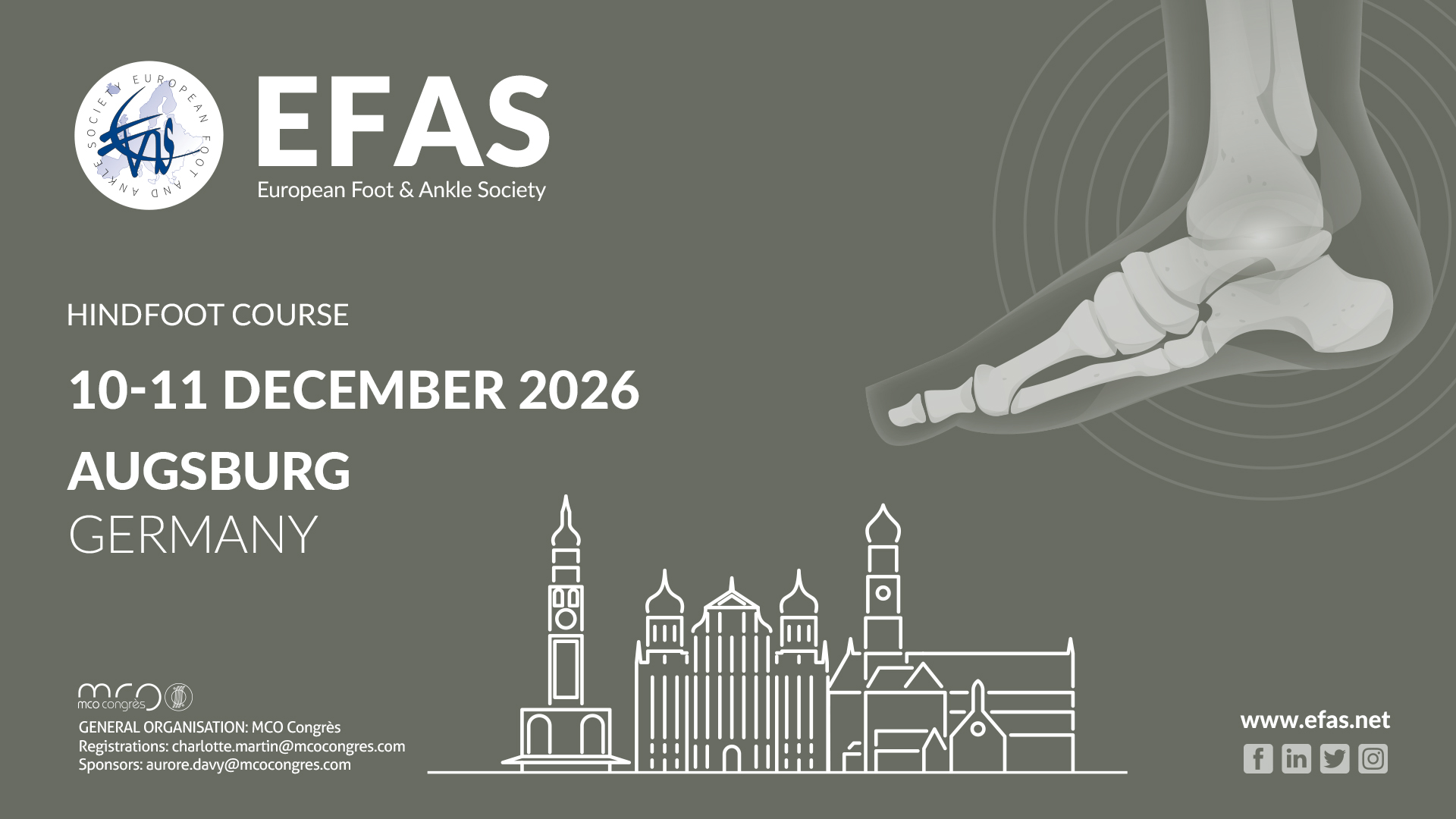
10 December 2026 - 11 December 2026
Augsbourg, Allemagne
Chirurgie du pied et de la cheville
DIA-EFAS-Augsbourg-2026

62ème congrès de la Société Française de Chirurgie de la Main – SFCM2026

17 December 2026 - 18 December 2026
Palais des Congrès, Porte Maillot, Paris - France
Chirurgie de la Main
Dia-GEM-2026 (1)

Séminaire Grand-Est Winfocus France 2027

25 January 2027 - 27 January 2027
Mulhouse, France
Échographie
Dia-Winfocus-2026

Cadaver Lab 2027 – 14ème cours de l’AFCP
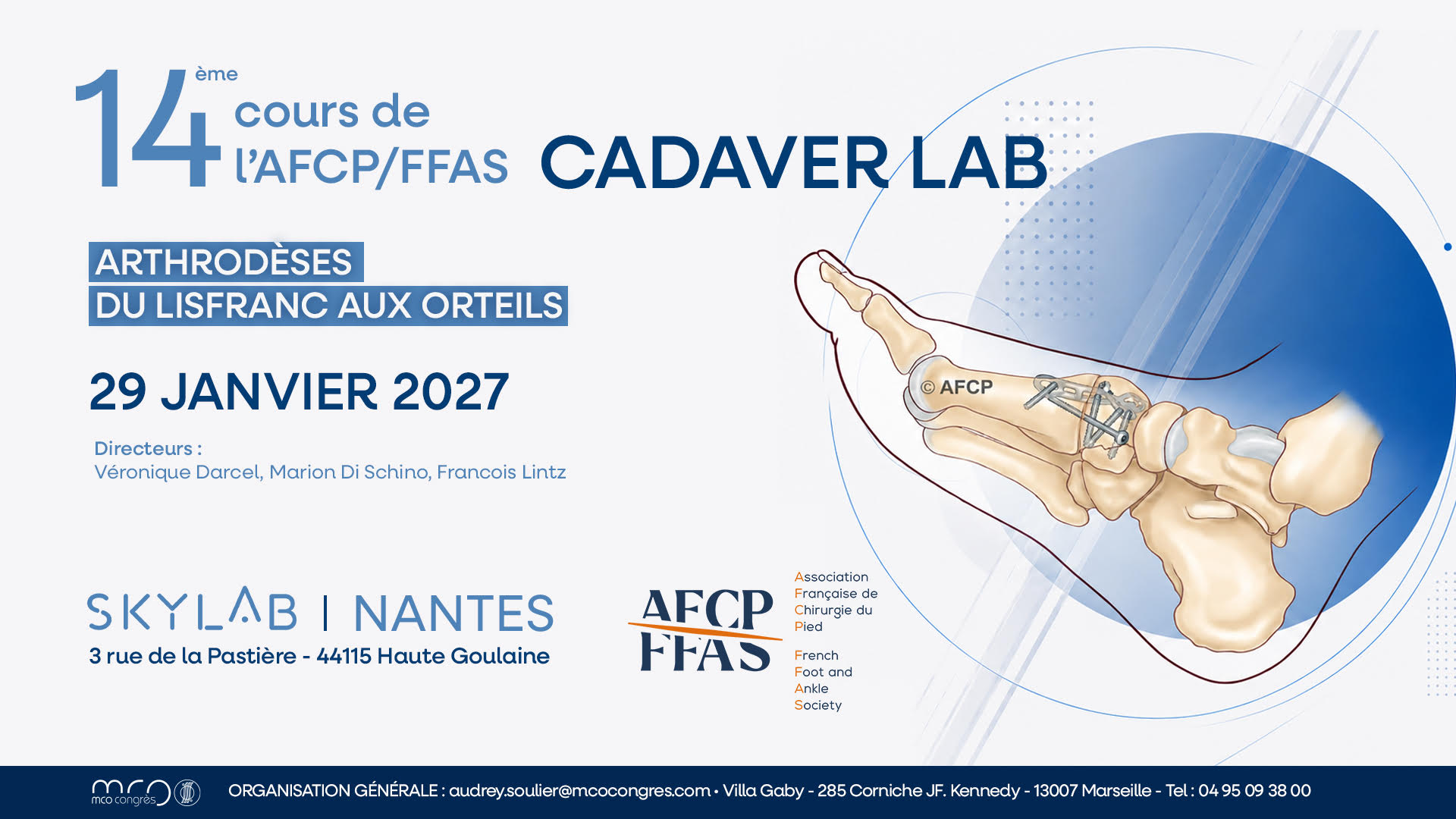
29 January 2027
Skylab - Nantes
Chirurgie du pied et de la cheville
CADAVER LAB 2027

If you have any question about one of these events or if you find an error or a missing information, feel free to contact us.

ABOUT THE TRAININGS ORGANIZED BY MCO CONGRès

Trainings intended for
for healthcare professionals

Prerequisites and audiences: these courses are intended for qualified healthcare personnel or those in training.
Access to a training course is authorized to any person whose registration has been validated.

Methods used:

  • Alternating theoretical contributions and practical exercises
  • Provision of the necessary educational resources

Evaluation of acquired knowledge:

  • For each training course, participants are evaluated via a pre-test and a post-test.

Trainings intended for
for non-healthcare professionals

Prerequisites and audiences: each training course is intended for professionals specialized in the theme related to the training.
Access to the training is authorized to any person whose registration has been validated.

Methods used:

  • Alternating theoretical contributions and practical exercises
  • Provision of the necessary educational resources

Evaluation of acquired knowledge:

  • For each training course, participants are evaluated via a pre-test and a post-test.